Designing a minimalist master bedroom is about creating a space that feels calm, clean, and relaxing. A master bedroom should be a peaceful place where you can rest, recharge, and feel comfortable every day. Minimalist design helps remove extra distractions and focuses on what truly matters. Instead of filling the room with too many items, minimalist décor keeps things simple, useful, and beautiful.
Many people think minimalism means an empty or boring room, but that is not true. A minimalist master bedroom can feel warm, stylish, and cozy if it is designed the right way. With smart color choices, simple furniture, and good organization, you can create a bedroom that looks modern and feels peaceful. This guide will help you understand how to design a minimalist master bedroom step by step in an easy and practical way.
Understanding the Concept of a Minimalist Master Bedroom
A minimalist master bedroom focuses on simplicity and comfort. The main idea is to remove unnecessary items and keep only what you need and love. This type of bedroom feels open and breathable, which helps reduce stress and improve sleep quality. When the room is not crowded, the mind also feels relaxed.
Minimalism is not about removing personality. It is about choosing fewer items with more meaning. Each piece in the bedroom should have a purpose, whether it is for comfort, storage, or style. When everything has a reason to be there, the bedroom feels balanced and peaceful.
Choosing the Right Color Palette for a Minimalist Look
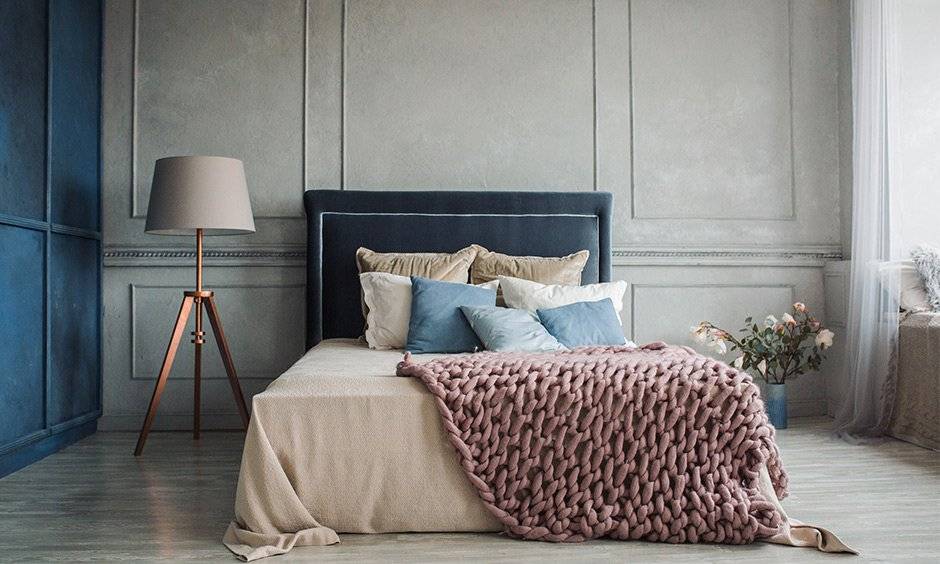
Color plays a very important role in minimalist bedroom design. Soft and neutral colors help create a calm environment. Shades like white, light gray, beige, soft brown, and gentle pastels are perfect for a minimalist master bedroom. These colors reflect light and make the room look bigger and brighter.
Using too many bold or dark colors can make the room feel heavy and busy. If you like color, it is better to use it in small amounts, such as a cushion, blanket, or artwork. Keeping the main colors soft helps maintain the clean and simple look that minimalism is known for.
Selecting Simple and Functional Bedroom Furniture
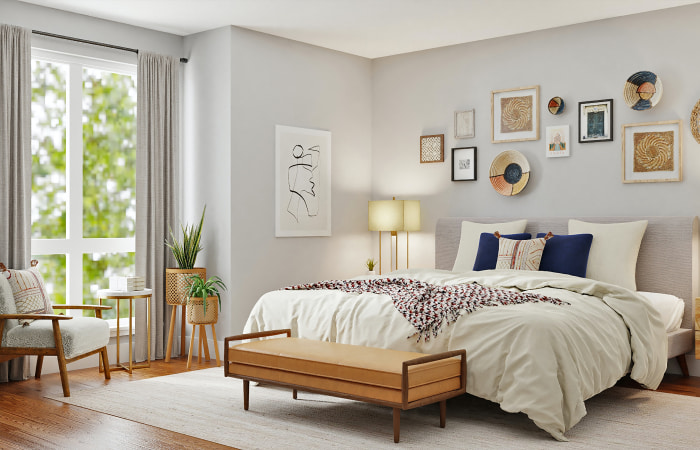
Furniture in a minimalist master bedroom should be simple, comfortable, and useful. A bed with a clean design and smooth lines works best. Heavy or overly detailed furniture can make the room feel crowded. Minimalist furniture often has a modern look and takes up less visual space.
It is important to choose furniture that fits the size of the room. Too much furniture can break the minimalist feel. A bed, nightstands, and a wardrobe are usually enough. When furniture is functional and well-placed, the bedroom feels open and easy to move around in.
Creating a Clutter-Free and Organized Space
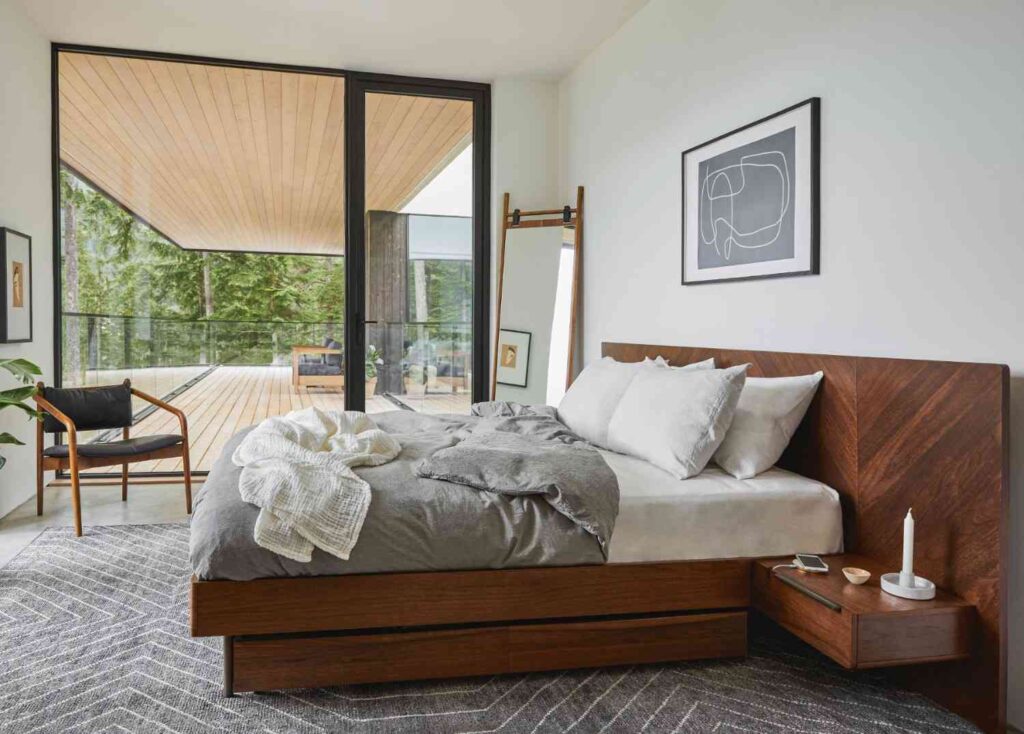
Clutter is the biggest enemy of minimalism. A minimalist master bedroom should feel neat and organized at all times. Keeping surfaces clear and storing items properly helps maintain a calm environment. Storage solutions should be hidden or simple so they do not distract the eye.
Clothes, accessories, and daily items should have a fixed place. When everything is organized, the bedroom feels lighter and more relaxing. A clutter-free room also makes cleaning easier and saves time every day.
Using Lighting to Enhance a Minimalist Bedroom Design
Lighting is a key part of designing a minimalist master bedroom. Soft and warm lighting creates a relaxing mood and helps the body prepare for rest. Bright or harsh lights can feel uncomfortable, especially at night.
Using simple bedside lamps or soft ceiling lights adds warmth to the room without making it feel busy. Natural light during the day also helps make the space feel fresh and open. Good lighting highlights the beauty of a minimalist design and makes the bedroom feel welcoming.
Adding Texture Without Overcrowding the Room
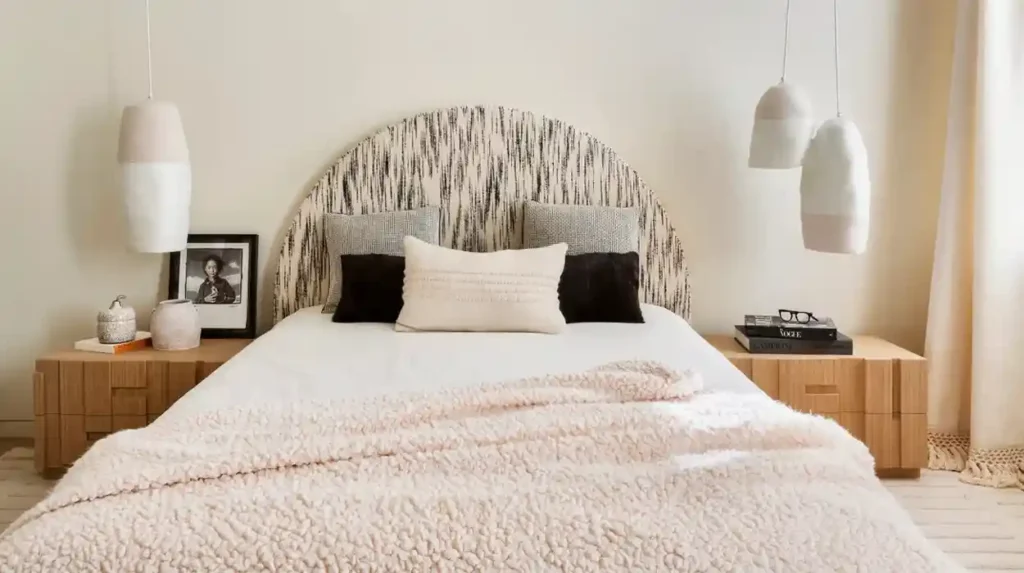
Even though minimalism focuses on simplicity, texture is important to avoid a dull look. Soft fabrics like cotton bedding, light curtains, and cozy rugs add warmth and comfort to the bedroom. These textures make the room feel cozy while still keeping it simple.
The key is balance. Too many textures can feel messy, while too few can feel cold. Choosing a few soft elements and placing them thoughtfully helps create a comfortable and stylish minimalist master bedroom.
Decorating with Purpose in a Minimalist Master Bedroom
Decoration in a minimalist bedroom should be meaningful and limited. Instead of many decorative items, choose one or two pieces that you truly like. This could be a simple wall art, a plant, or a framed photo.
Each decorative item should add beauty or calm to the room. When décor is chosen carefully, it enhances the minimalist style rather than distracting from it. Purposeful decoration keeps the bedroom personal yet uncluttered.
Maintaining a Minimalist Master Bedroom Over Time
Designing a minimalist master bedroom is not a one-time task. It requires regular care and simple habits. Avoid bringing unnecessary items into the bedroom and always think before adding something new. If an item does not serve a purpose or bring joy, it may not belong in a minimalist space.
Regular cleaning and organizing help keep the bedroom fresh and peaceful. Over time, maintaining minimalism becomes easier and more natural. A well-kept minimalist master bedroom continues to support better sleep, comfort, and mental peace.
Final Thoughts
A minimalist master bedroom is all about calm, comfort, and simplicity. By choosing soft colors, simple furniture, good lighting, and thoughtful décor, you can create a space that feels relaxing and stylish. Minimalism helps reduce stress, improve sleep, and make daily life more peaceful.
With the ideas shared in this guide, you can design a minimalist master bedroom that looks beautiful and feels like a true retreat. Small, smart choices can transform your bedroom into a place you truly enjoy every day.
For More Guides Visit Home Boyz.