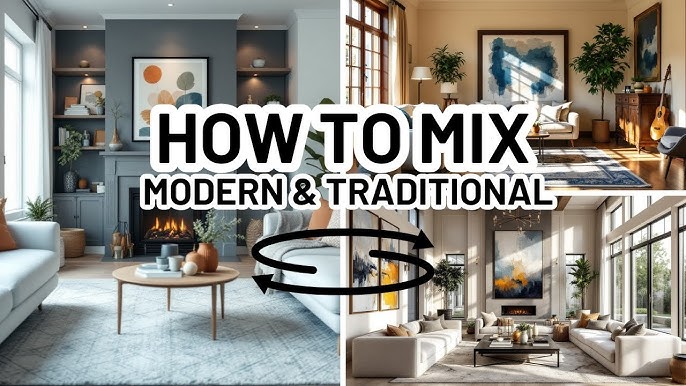
When it comes to decorating your home, choosing a style can sometimes feel tricky. Maybe you love the clean, simple look of contemporary décor, but you also enjoy the cozy, classic charm of traditional design. The good news is that you don’t have to pick just one style. By mixing contemporary and traditional interior styles, you can create a home that feels both modern and timeless.
Blending these two styles is like creating the perfect recipe. Contemporary design brings sleek lines, simplicity, and minimalism, while traditional décor adds warmth, patterns, and classic elegance. When done right, mixing the two can make your home feel balanced, stylish, and unique. In this article, we’ll show you how to combine contemporary and traditional interior styles in ways that are easy to understand, practical, and beautiful.
Understanding Contemporary and Traditional Styles
Before mixing styles, it’s important to understand what each one means.
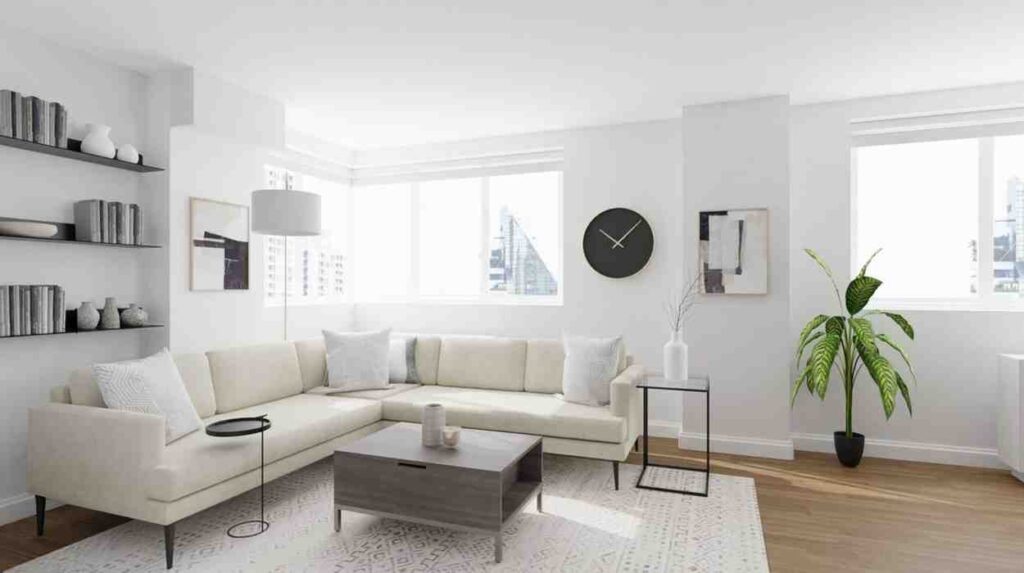
Contemporary style is all about simplicity and clean lines. It uses neutral colors like white, gray, and beige and often focuses on open spaces with minimal clutter. Furniture in contemporary spaces usually has simple shapes, smooth surfaces, and modern materials like glass or metal. The goal is a calm, uncluttered, and airy feeling.
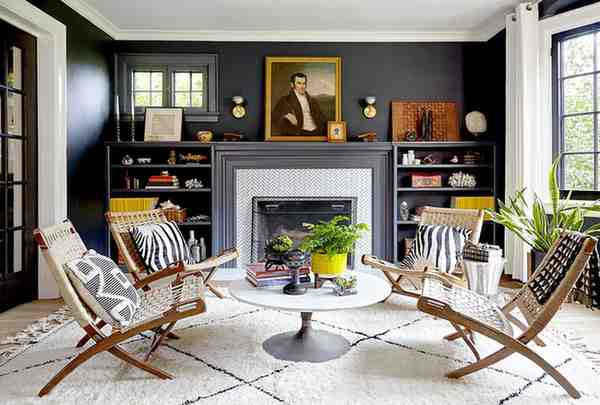
Traditional style, on the other hand, is more about comfort, warmth, and elegance. It often includes rich colors, intricate patterns, and classic furniture pieces. Traditional décor might feature wooden cabinets, ornate rugs, patterned curtains, and decorative accessories that tell a story. This style creates a welcoming and cozy atmosphere.
By understanding what each style brings to the table, you can start combining them without creating a messy or confusing space.
Start with a Neutral Base
The easiest way to mix contemporary and traditional styles is to choose a neutral base for your walls and floors. Light colors like white, cream, or soft gray are perfect. Neutral walls act like a blank canvas where both modern and classic furniture can shine.
For example, you could have a traditional wooden dining table paired with sleek, contemporary chairs. The neutral walls help both styles coexist without clashing. Neutral flooring, like light wood or simple tiles, also balances the room. This way, your space looks cohesive, and you can add colorful or patterned accessories later.
Combine Furniture Thoughtfully
Furniture is the heart of any home, and it’s where mixing styles really comes to life. When blending contemporary and traditional pieces:
- Mix shapes and materials: Pair a traditional wooden coffee table with a modern sofa made of smooth fabric.
- Balance scale and size: If you have a large, ornate armchair, balance it with a simple contemporary lamp or side table.
- Choose statement pieces: Let one furniture piece take the spotlight, like a traditional dresser, and keep other items minimal.
By thoughtfully combining furniture, your space will feel intentional, stylish, and harmonious.
Add Patterns and Textures Wisely
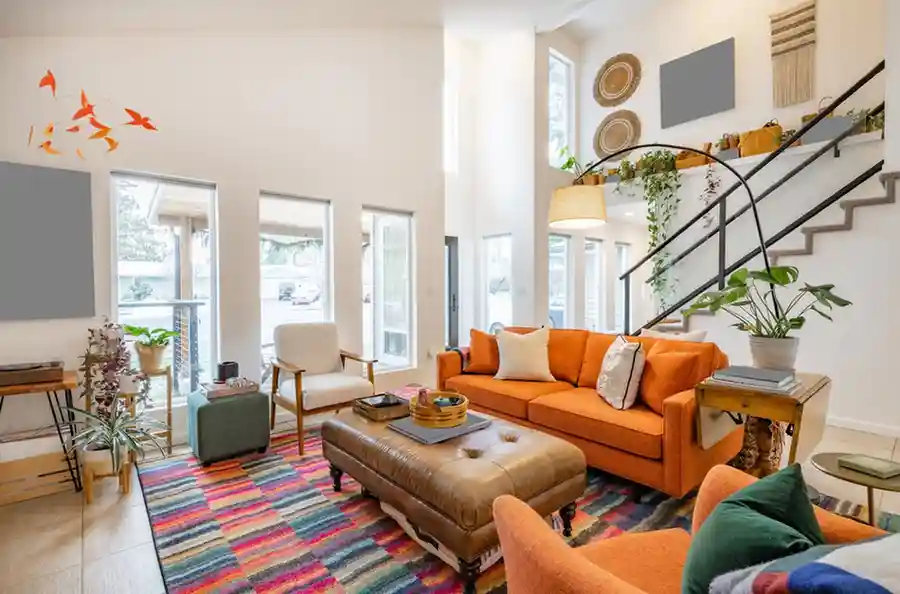
Patterns and textures are what make a room feel cozy and layered. Traditional décor often has floral patterns, damask designs, or intricate carvings, while contemporary spaces favor smooth surfaces, geometric patterns, and simple textures.
You can mix both by:
- Using a traditional patterned rug with a modern, plain sofa.
- Adding textured cushions in contemporary colors on classic chairs.
- Placing a modern lamp on a carved, traditional side table.
The key is balance—choose one or two patterned or textured items and keep the rest simple to avoid making the room feel busy.
Blend Colors Thoughtfully
Color is a powerful tool when combining styles. Contemporary designs often use neutral tones, while traditional interiors favor rich, deep colors. To mix both:
- Stick to one main neutral color for walls and big furniture pieces.
- Add traditional colors like navy, burgundy, or forest green through accessories, curtains, or cushions.
- Introduce metallic accents like gold or brass, which work well in both contemporary and traditional settings.
This creates a cohesive look where contemporary and traditional elements complement each other instead of competing.
Use Art and Accessories to Bridge Styles
Decorative items are perfect for tying different styles together. Art, lamps, mirrors, and vases can blend traditional charm with modern flair.
- Hang a classic framed painting on a clean, white wall for contrast.
- Place modern sculptures on a traditional wooden console.
- Use mirrors with simple frames in a room with ornate furniture to add light and space.
Accessories are small, but they have a big impact in creating a balanced, unified interior.
Balance Old and New
One of the most important rules when mixing contemporary and traditional décor is balance. You don’t want one style to dominate the room.
- If your furniture is mostly contemporary, add a few traditional accents like patterned cushions, a rug, or a wooden coffee table.
- If your room has strong traditional elements, introduce contemporary lighting, sleek shelves, or modern artwork.
- Always leave open space to prevent the room from feeling crowded.
Balance ensures that both styles feel intentional, comfortable, and stylish.
Focus on Function and Flow
Mixing styles isn’t just about looks; it’s also about how the room feels. Contemporary spaces often emphasize open layouts and functionality, while traditional rooms focus on comfort and warmth. To combine both:
- Arrange furniture so there is enough space to move freely.
- Keep frequently used items accessible and practical.
- Use traditional elements for comfort, like cushioned chairs, and contemporary items for function, like sleek storage solutions.
This combination makes your home beautiful and livable, not just stylish.
Don’t Forget Lighting
Lighting is a powerful way to unite contemporary and traditional décor. Traditional spaces often have chandeliers or ornate lamps, while contemporary designs favor simple, geometric fixtures.
- Consider a modern chandelier in a traditional dining room.
- Use classic table lamps in a contemporary living room.
- Layer lighting with floor lamps, ceiling lights, and accent lights for warmth and depth.
Good lighting enhances both styles and makes the room feel inviting and harmonious.
Final Tips for Mixing Contemporary and Traditional Styles
Mixing contemporary and traditional interior styles is like mixing two flavors to create a perfect dish—it takes practice, patience, and balance. Remember these tips:
- Start with a neutral base.
- Mix furniture thoughtfully, balancing shapes and sizes.
- Use patterns, textures, and colors sparingly.
- Let accessories bridge the gap between old and new.
- Keep open spaces and focus on function.
- Use lighting to unify the room.
By following these simple guidelines, you can create a home that feels modern, cozy, stylish, and unique. Mixing contemporary and traditional interior styles allows you to enjoy the best of both worlds—a space that is timeless, functional, and full of character.
For More Guides Visit Home Boyz.