Gardening is a wonderful way to bring life, color, and freshness to your home, but not everyone has a large yard or outdoor area. For those with small spaces like balconies, patios, or tiny backyards, vertical gardening is a perfect solution. Vertical gardens allow you to grow plants upward instead of outward, saving space while adding beauty and functionality. These creative gardening solutions transform small outdoor areas into lush, green retreats that feel vibrant and inviting.
Vertical gardening is not just a practical solution—it’s also an opportunity to express creativity. By thinking vertically, you can incorporate greenery in areas that would otherwise go unused, such as walls, fences, or corners. This approach makes even the tiniest spaces feel alive and fresh. With simple materials and a bit of planning, anyone can create a vertical garden that enhances their outdoor space and brings the joy of gardening to small areas.
Understanding the Benefits of Vertical Gardening
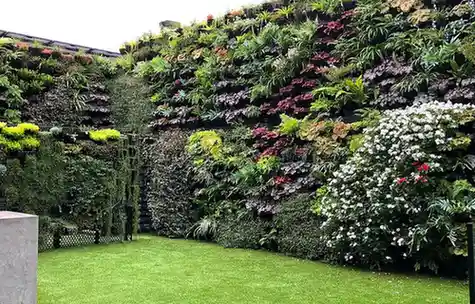
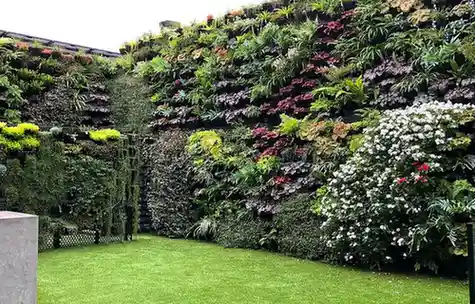
Vertical gardening offers multiple advantages, especially for small outdoor spaces. By growing plants upward, you free up floor space for seating, pathways, or other garden features. It also allows better air circulation, reducing the risk of plant diseases. Vertical gardens can act as natural screens or dividers, providing privacy and shielding your outdoor area from neighbors or streets.
In addition to saving space, vertical gardens are visually striking. They create walls of greenery that add texture, color, and life to otherwise plain spaces. For beginners, vertical gardening is an efficient way to start a garden with minimal effort while still enjoying the benefits of fresh plants and herbs.
Choosing the Right Plants for Vertical Gardens
Selecting plants that thrive in vertical settings is essential. Lightweight, fast-growing, and adaptable plants work best. Herbs like basil, mint, and rosemary are ideal because they are small, easy to grow, and useful for cooking. Flowering plants such as petunias, begonias, or marigolds bring vibrant color and beauty to your vertical garden.
Succulents are another excellent option because they require minimal watering and can survive in small containers or wall-mounted pockets. Choosing the right plants ensures that your vertical garden is not only visually appealing but also easy to maintain, making it perfect for beginners or those with busy lifestyles.
Creative Containers and Structures
Vertical gardens can be built using a variety of containers and structures. Wooden pallets, hanging pockets, wall-mounted shelves, or trellises provide support for plants to grow upward. Repurposing items like old shoe organizers, tin cans, or plastic bottles can also create unique and affordable vertical garden setups.
Using lightweight containers ensures that walls or fences can support the garden safely. Mixing different types of containers adds texture and interest, creating a visually dynamic display. The structure you choose should complement the space and style of your outdoor area while supporting plant growth effectively.
Maximizing Sunlight and Watering Efficiency
Plants in vertical gardens need proper sunlight and water to thrive. Position your garden where it receives adequate light based on the plants’ needs. South-facing walls are ideal for sun-loving plants, while shaded areas can host shade-tolerant species. Proper placement ensures healthy growth and vibrant foliage.
Watering systems can be adapted for vertical gardens using drip irrigation, self-watering containers, or simple watering cans. Mulching the soil in each container helps retain moisture and reduces the frequency of watering. Efficient watering and proper sunlight make vertical gardens easy to maintain and successful even in small spaces.
Adding Decorative Elements to Vertical Gardens
Vertical gardens are not just functional—they can also be highly decorative. Incorporating colorful pots, artistic plant holders, or hanging ornaments adds personality and charm. You can mix plants with different textures, colors, and heights to create an eye-catching display.
Lighting can also enhance the beauty of vertical gardens in the evenings. String lights, solar-powered lamps, or small LED spotlights illuminate plants and create a magical atmosphere. Decorative touches make vertical gardens an attractive feature of your outdoor space while reflecting your personal style.
Vertical Gardening for Urban Spaces and Balconies
For apartment dwellers or those with limited outdoor areas, vertical gardens are a game-changer. Balconies, terraces, and small patios can become lush green spaces using wall-mounted planters or hanging gardens. Even railing planters or stackable containers allow greenery to flourish without taking up precious floor space.
Urban vertical gardens also improve air quality, reduce heat, and create a calming environment in busy city settings. They allow city dwellers to enjoy nature, grow herbs or flowers, and create a peaceful retreat in small outdoor spaces. With thoughtful planning and creativity, vertical gardens transform urban areas into green, vibrant havens.
Final Thoughts on Vertical Gardening Ideas for Small Outdoor Spaces
Vertical gardening is a practical, stylish, and creative solution for anyone with limited outdoor space. By growing plants upward, using the right containers and structures, and selecting plants suited to vertical growth, even the smallest balconies or patios can become lush, vibrant gardens. Decorative elements and proper placement enhance both the beauty and functionality of these spaces.
For beginners, vertical gardens provide an easy and enjoyable way to cultivate plants without needing large areas or extensive maintenance. They save space, add greenery, and create a peaceful outdoor retreat. With a little planning, creativity, and care, vertical gardening can transform any small outdoor area into a beautiful, productive, and inviting garden oasis.
For More Guides Visit Home Boyz.