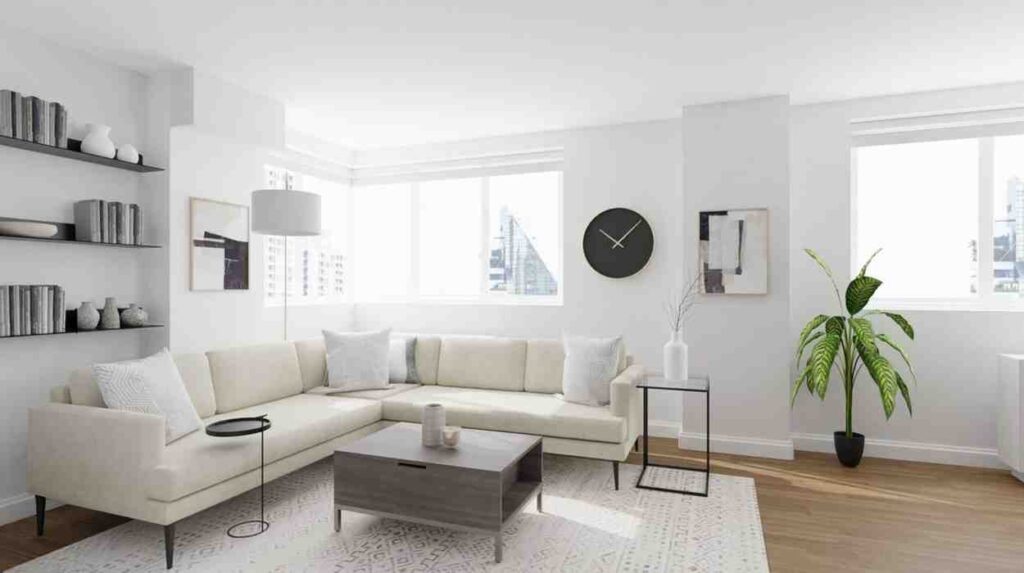

Choosing the right color palette for your home can feel confusing. There are so many colors to pick from, and you might worry about choosing the wrong one. But don’t worry—picking colors doesn’t have to be hard. When you understand a few simple ideas, choosing home colors can actually be fun.
Colors affect how a room feels. Some colors make us feel calm and relaxed, while others make us feel happy and energetic. The right color palette can make your home feel warm, bright, cozy, or fresh. The wrong colors can make a room feel dark, messy, or uncomfortable. That is why learning how to choose the right colors is so important.
In this guide, we will explain everything step by step in a simple way. You will learn how to choose colors that match your home, your space, and your personality. Even small changes in color can make a big difference, and by the end of this article, you will feel confident choosing the perfect color palette for your home.
What Is a Color Palette?
A color palette is a group of colors that look good together. Instead of using many random colors, a palette helps your home look neat and balanced.
Usually, a home color palette has:
- One main color (used the most)
- One or two supporting colors
- One small accent color
For example, your main color might be soft white, your supporting color could be light gray, and your accent color might be blue. When colors work together, your home feels peaceful and organized instead of messy.
Understand How Colors Make You Feel
Colors can change our mood, even if we don’t notice it. That is why it’s important to choose colors based on how you want your home to feel.
Light colors like white, cream, and light gray make rooms feel bigger, cleaner, and brighter. They are great for small spaces.
Warm colors like beige, soft brown, peach, and light yellow make rooms feel cozy and welcoming. These colors are perfect for living rooms and bedrooms.
Cool colors like blue, green, and light purple feel calm and relaxing. They work well in bedrooms, study areas, or bathrooms.
Bright colors like red, orange, and yellow feel energetic and fun, but they should be used in small amounts so they don’t feel too strong.
Look at Your Home’s Natural Light
Natural light plays a big role in how colors look. The same color can look different in different rooms.
Rooms with a lot of sunlight can handle slightly darker or warmer colors because the light keeps them bright. Rooms with little sunlight look better with light and soft colors so they don’t feel dark.
Before choosing a color, look at your room during the day and notice how much sunlight it gets. This will help you pick colors that look good all day long.
Start with Neutral Colors
Neutral colors are the safest and easiest choice when creating a home color palette. These colors include white, cream, beige, gray, and soft brown.
Neutral colors:
- Make rooms look bigger
- Match easily with furniture
- Never go out of style
You can use neutral colors on walls and big furniture, then add color through cushions, curtains, rugs, or wall art. This way, you can change the look later without repainting everything.
Choose One Color You Love
To make your home feel special, choose one color you really love. This color can be used as an accent color.
Accent colors are used in small amounts, like:
- Cushions
- Lamps
- Picture frames
- Small décor items
If you love blue, you can add blue cushions or artwork. If you like green, add plants or green décor. This makes your home feel personal and fun without being too colorful.
Keep the Same Palette Flowing Through the House
Your home will look better if the colors flow nicely from one room to another. This does not mean every room has to be the same color.
You can:
- Use the same main color in all rooms
- Change accent colors slightly in each room
- Keep colors in the same family (soft, warm, or cool)
This creates a smooth and peaceful feeling when you move through your home.
Match Colors with Furniture and Décor
Before choosing wall colors, look at what you already have in your home. Furniture, curtains, carpets, and décor items all have colors that should be considered.
If your sofa is dark, lighter walls will balance it. If your furniture is light, you can choose slightly deeper wall colors.
Choosing colors that match your furniture saves money and makes the room feel complete.
Use the 60–30–10 Rule (Simple Version)
A very easy rule to remember is the 60–30–10 rule.
- 60% of the room is the main color (walls)
- 30% is the second color (furniture, curtains)
- 10% is the accent color (decor items)
This rule helps keep colors balanced and prevents the room from looking messy or confusing.
Test Colors Before Final Choice
Colors can look different on walls than on small color cards. Before painting the whole room, always test the color.
Paint a small area on the wall and look at it during the day and at night. This helps you see if the color feels right in all lighting.
Testing colors saves time, money, and regret.
Avoid Using Too Many Colors
Using too many colors in one room can make it feel noisy and uncomfortable. In 2026, calm and simple homes are more popular.
Try to stick to:
- 2 to 4 colors in one room
- Soft and matching shades
Simple color choices make rooms feel peaceful and stylish.
Trust Your Feelings
At the end of the day, your home should make you happy. Trends are helpful, but your comfort matters more.
If a color makes you feel calm, happy, or relaxed, it’s probably the right choice. Don’t be afraid to choose colors that feel right to you, even if they are simple.
Final Thoughts
Choosing the right color palette for your home doesn’t have to be stressful. By understanding how colors work, using neutral bases, adding accent colors, and thinking about light and furniture, you can create a home that feels beautiful and comfortable.
The best color palette is one that makes your home feel warm, happy, and welcoming every day.
For More Guides Visit Home Boyz.